You have roughly 60,000 miles of blood vessels inside you, enough to wrap the planet more than twice, and 90 percent of them are finer than a single hair.
Those tiny ones fade first after menopause, and they happen to be the vessels your energy and your memory lean on most. A routine checkup never gets near them, because they work below the resolution of any standard test.
October is World Menopause Month. The campaigns will cover the familiar ground of flashes, sleep, and mood, and every one of those matters.
Another symptom gets far less airtime, though, and it starts in your microcirculation: a bone-deep exhaustion that ignores eight hours of rest and greets you again at breakfast.
The cause traces back to the lining of the vessels themselves.
That lining is a single cell thick and releases a gas called nitric oxide that signals the vessel when to open. Estrogen kept it well supplied with the gas for thirty years. Then your hormone levels fell. The linings stiffened, the signals weakened, and the smallest vessels lost the repair help estrogen once provided.
Your brain notices first. This three-pound organ uses a fifth of the oxygen in your blood, so when its supply lines thin, the effects read as fatigue and fog.
Around half of the women whose brain vessels have begun aging report a heavy tiredness that persists through rest. Each measurable decline in these vessels matches about two years of aging in memory and thinking speed.
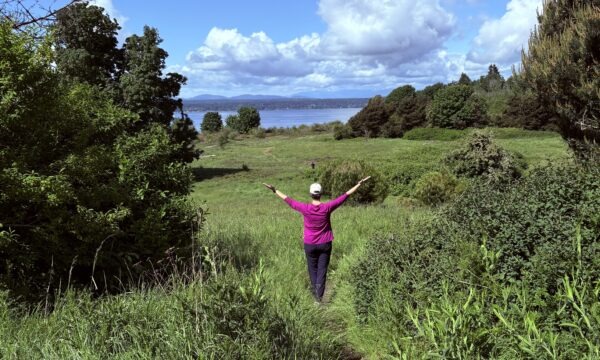
Movement reaches them faster than almost anything a pharmacy sells. The trials in postmenopausal women make the case:
- 12 weeks of interval training reduced arterial stiffness by 8 percent in postmenopausal women.
- Heavy-intensity intervals raised cardiorespiratory fitness by 8 percent in the same women.
- Across 32 trials of postmenopausal women, interval and combined training ranked best for vessel function, while every type tested improved arterial stiffness.
- Women in their seventies doing combined strength and cardio for a year had lower stiffness, blood pressure, and body fat than sedentary peers.
Movement looks different for every woman, and whatever you can manage counts. A couple of brisk walks, a short set of intervals, a little strength work on the days your body allows it.
Your circulation starts changing well before any test would register it, so the fatigue often eases while the numbers are still catching up.
World Menopause Day falls on October 18, which makes a fine marker for a small first streak. Give those invisible miles a reason to open, and they will do the rest. 🌸
P.S. Cold hands and feet worsen for many women around menopause, and the chill traces to the same narrowing vessels affecting the brain. Warmth returning to your fingers is often the first sign your circulation has responded to training.
: : :
Susan J. Baumgaertel, MD is an internal medicine physician who provides telemedicine medical consultation and advocacy for patients in WA state, and professional career pivot navigation support for physicians in the U.S. at myMDadvocate.
Her book, The Menopause Menu, blends a medical guide with a recipe book and a gift book, an easy coffee-table read you can flip through at your own pace.

Join Voices With Vigor, her free, live talk show where curious, kind, and resilient guests speak their minds without a script.
Follow her on Substack at Juxtaposition in Medicine, reflections from a physician-patient on humanity, medicine, and the unexpected places where they meet.