This is the 15th edition of The 2 Susans, a monthly newsletter with Dr. Susan Baumgaertel and Dr. Susan Vogler.
This month we focus on bone health: Susan B reviews the DEXA scan and why early screening is important, while Susan V reminds us that the best osteoporosis preventive measures are often the simplest.
✨ ✨ ✨
Susan B:
Screening
Bone health is important at any age, but especially so during hormonal life transitions.
During childhood and puberty, our bones are growing and strengthening. Calcium intake is essential, along with other minerals and vitamins. So is daily exercise.
Another pivotal life phase for bone metabolism is during peri/menopause.
This is a time when estrogen levels are naturally declining, and the osteoclasts (bone cells) are breaking down bone. This remodeling process helps to maintain certain mineral levels and also allows for osteoblasts to build bone, when stimulated.
Bone mineral density can decline, leading to osteopenia or osteoporosis, especially as women go further into their postmenopausal years. This can lead to unexpected fractures which often contribute to reduced vitality, physical decline and even earlier mortality.
It’s important to find ways to prevent this process from happening. It’s also essential to diagnose early bone thinning such that treatment measures can be taken to avoid further decline and to even rebuild bone.
The tool that is the diagnostic gold standard is called DEXA—Dual-Energy X-ray Absorptiometry—a bone density scan. The DEXA scan is a noninvasive measure of bone mineral density, typically looking at the hip and lumbar spine regions, and sometimes including the wrist.
Who should get screened?
Screening implies population-based decision making, as opposed to disease-specific diagnostic testing—just like decisions made regarding colon cancer screening (start at age 45!).
In the U.S. a baseline DEXA is typically done at age 65. In my opinion, that is way too late in life, even if just considered to be for screening purposes.
Why do I feel that way?
As women go through menopause, the risk for accelerated bone density reduction is the greatest in the first five years into postmenopause. For example, if a woman’s last menstrual period is at age 49, that means that from age 50-55 her risk for osteoporosis is increased just on the basis of estrogen loss.
It makes no sense to wait until age 65 to screen, especially since there are many preventive measures that can reduce the development of osteoporosis.
Talk with your personal physician to formulate a plan to screen for osteoporosis—yet another reason to get that annual exam scheduled!
For a more in-depth discussion, click here to listen to the August 2024 podcast “Bone Density As We Age,” with Ashley Mak, PT, DPT and Susan J. Baumgaertel, MD.
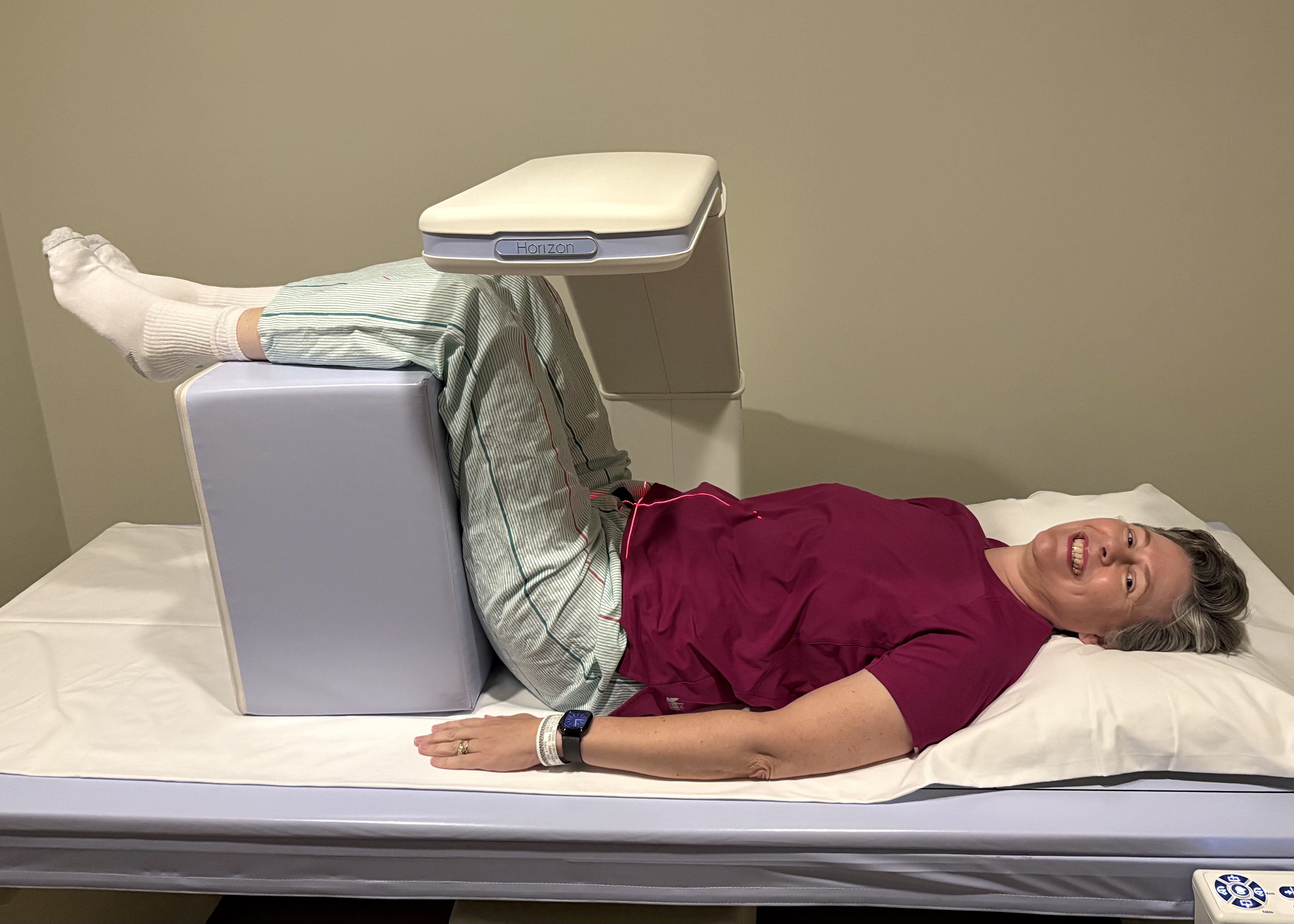
Dr. Susan Baumgaertel getting a DEXA scan, May 2025—it’s actually quite comfortable!
Susan V:
Don’t Break a Hip!
Maintaining bone health is essential for overall well-being, especially as we age. Strong bones help prevent osteoporosis, a condition that makes bones more prone to fractures. Osteoporosis is a skeletal disorder associated with a decline in bone quality, which increases the likelihood of fracture.
Here are a few strategies for maintaining bone health and preventing osteoporosis:
🦴 Balanced Diet: Ensure adequate intake of calcium and vitamin D. The recommended daily allowance for calcium and vitamin D differs by age, but in general, the recommendation is calcium 1,200 mg per day and vitamin D 600-800 IU per day in older women.
A good rule of thumb:
- Calcium: Essential for bone strength, calcium can be found in dairy products, leafy green vegetables, and fortified foods.
- Vitamin D: Helps the body absorb calcium, with sources including sunlight, fatty fish, and fortified foods.
🦴 Regular Exercise: Physical activity promotes bone remodeling, increasing bone strength and higher peak bone mass. Engaging in weight-bearing and strength-training exercises will help prevent osteoporosis. Routine physical activity consisting of at least 150 minutes per week of moderate intensity – that’s less than 25 minutes per day of walking in your favorite park or along the beach! Also, strength training such as using free weights, resistance bands, or jumping rope can offer benefits.
🦴 Healthy Lifestyle Choices: Avoid smoking and limit alcohol consumption. Smoking can decrease bone density and increase the risk of fractures. Excessive alcohol intake can interfere with calcium absorption and bone formation.
Maintaining bone health is essential for preventing osteoporosis and reducing the risk of fractures. By adopting a balanced diet, engaging in regular exercise, making healthy lifestyle choices, and understanding your risk factors, you can take proactive steps to protect your bones. Early screening and appropriate medical interventions can further support bone health and prevent osteoporosis.
For more information about postmenopausal osteoporosis, please visit The Menopause Society’s MenoNote on postmenopausal osteoporosis.
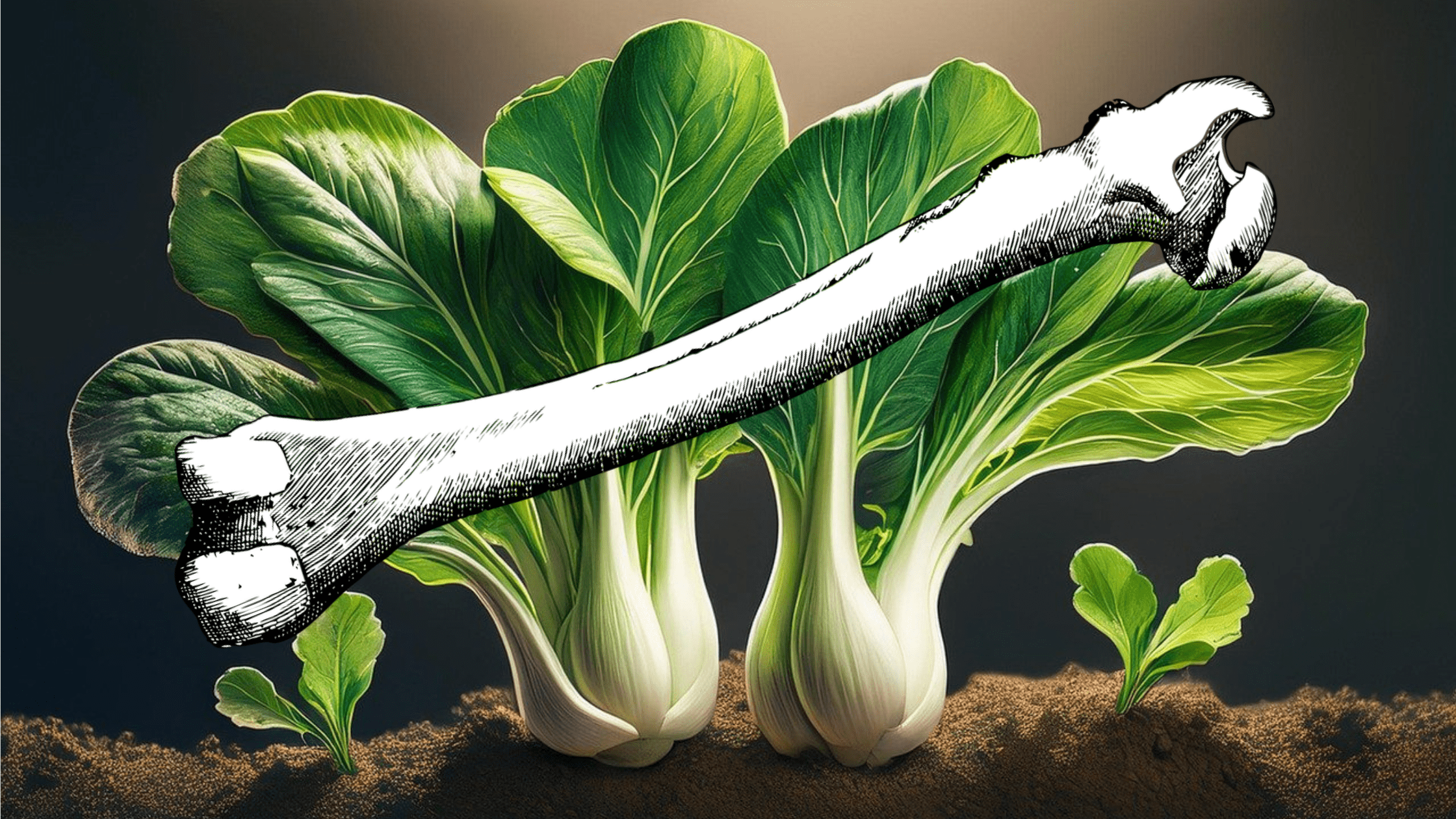
Bok choy (Chinese cabbage) is a good veggie source of dietary calcium.
✨ ✨ ✨
To read our July edition, Vaccines to Prevent Cervical Cancer & Shingles, click here.
📆 Our September edition will focus on Cholesterol and Lipids.
✨ ✨ ✨
📝💬 The 2 Susans would love to hear from you!
Let us know the women’s health & aging topics YOU are curious about. Please also share this newsletter in your network and tag us—we are so grateful.
Susan B: susan@mymdadvocate.com
myMDadvocate | MenopauseMenu | The Menopause Menu book | LinkedIn
Susan V: susan@voglermedical.com
✨ ✨ ✨
The 2 Susans newsletter is for informational purposes only. It does not represent medical advice and is not intended as a substitute for professional advice, diagnosis, or treatment. Always consult with your private physician.